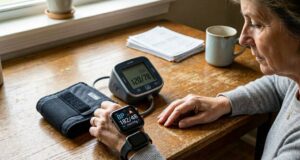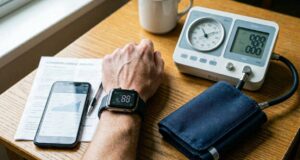
Finding the best blood pressure watch for accurate readings can be difficult because many smartwatches advertise blood pressure monitoring, but not every device measures blood pressure in the same way. Some watches estimate blood pressure using sensors and algorithms, while traditional upper-arm monitors use an inflatable cuff and are generally considered the standard for home blood pressure measurement.
For people who want to keep track of their blood pressure during daily activities, blood pressure watches can be convenient. They can provide useful information over time and may help users notice changes that are worth discussing with a healthcare professional. However, accuracy should be the first priority when choosing one.
What Makes a Blood Pressure Watch Accurate?
Accuracy depends on several factors. The quality of the sensors, the software used to process readings, proper positioning of the watch, and calibration can all affect the results.
Some blood pressure watches use optical sensors to collect information from the wrist and then estimate blood pressure. Others may require calibration with a traditional cuff before they can provide readings. This means that simply putting a watch on your wrist does not always guarantee a medically accurate blood pressure measurement.
When looking for the best blood pressure watch for accurate readings, check whether the manufacturer explains how the blood pressure feature works and whether the device has been clinically validated or cleared for its intended use.
Why Calibration Matters
Calibration is one of the most important points to consider when buying a blood pressure smartwatch.
Certain watches need to be calibrated against a conventional blood pressure monitor. During this process, readings from the watch are compared with readings from a cuff-based monitor. The watch then uses this information to estimate future readings.
Calibration requirements can vary between devices. Some may require it periodically, while others may have different instructions. Always follow the manufacturer’s instructions rather than assuming that one calibration method works for every watch.
A watch that provides clear calibration instructions is generally easier to use consistently.
Blood Pressure Watches vs. Traditional Monitors
A smartwatch is convenient because it stays on your wrist throughout the day. A traditional blood pressure monitor, on the other hand, usually requires you to sit down and use an inflatable cuff.
For regular home monitoring, a validated upper-arm cuff monitor remains an important option. A smartwatch can be useful for tracking trends and keeping health information in one place, but it should not automatically replace a conventional monitor simply because it is easier to use.
This is particularly important if someone has been diagnosed with high blood pressure or has been advised to monitor their readings regularly.
Features to Look for in Blood Pressure Watches
The best blood pressure watch is not necessarily the one with the largest number of features. Instead, look for features that are genuinely useful for your needs.
1. Blood pressure monitoring
The main feature should be reliable blood pressure tracking. Check exactly what the manufacturer means by “blood pressure monitoring” because some watches estimate blood pressure rather than directly measuring it with a cuff.
2. Calibration support
If calibration is required, the watch should provide straightforward instructions and explain what type of monitor should be used.
3. Heart rate monitoring
Heart rate tracking can be useful alongside blood pressure information. Many modern blood pressure watches also monitor resting heart rate and changes during exercise.
4. Irregular heart rhythm detection
Some smartwatches can identify signs of an irregular heart rhythm. This can be a useful additional feature, although it should not be treated as a diagnosis.
5. Data tracking
A good watch should make it easy to review previous measurements. Looking at readings over time can be more useful than focusing on a single number.
6. Battery life
If the watch needs frequent charging, you may not wear it consistently. Good battery life can therefore make a practical difference.
7. Smartphone compatibility
Before buying, check whether the watch works properly with your phone. Some devices work better with Android phones, while others are designed primarily for iPhone users.
How to Get Better Readings
Even the most advanced blood pressure watches can produce unreliable results if they are used incorrectly.
Wear the watch according to the manufacturer’s instructions. Keep your wrist in the recommended position and remain still while the measurement is being taken.
Avoid measuring immediately after exercise, caffeine, smoking, or other activities that can temporarily affect blood pressure. If you are comparing readings, try to measure under similar conditions each time.
It is also useful to keep a record of your measurements. Instead of looking at one unusually high or low result, consider the overall pattern.
Are Blood Pressure Watches Worth Buying?
For many people, blood pressure watches are attractive because they combine health tracking with everyday smartwatch features. Instead of carrying a separate device, users can wear one watch that tracks several types of information.
However, convenience should not be confused with medical accuracy.
Before purchasing a device, look beyond advertising claims. Check the manufacturer’s technical information, validation or regulatory information where applicable, calibration requirements, supported phones, and user instructions.
If accurate blood pressure measurement is your main reason for buying a smartwatch, it makes sense to prioritize the blood pressure feature rather than choosing a watch simply because it has the most impressive list of additional functions.
What Is the Best Blood Pressure Watch for Accurate Readings?
There is no single watch that is automatically the best blood pressure watch for accurate readings for every person. Different devices use different technologies, and their availability and regulatory status can vary by country.
The most sensible approach is to compare watches based on their measurement technology, validation evidence, calibration process, ease of use, and compatibility with your existing devices.
For people who need dependable blood pressure measurements for medical decisions, a validated upper-arm blood pressure monitor may be a better primary device. A smartwatch can then be used as an additional tracking tool if its blood pressure feature is appropriate for that purpose.
Choosing among blood pressure watches requires more than looking at the number of health features included in the product. Accuracy, calibration, measurement technology, ease of use, and supporting evidence should all be considered before making a purchase.
The best blood pressure watch for accurate readings is ultimately one that fits your needs, provides clear information about how its readings are produced, and is used correctly. If you are monitoring a known blood pressure problem, discuss the appropriate monitoring method with your healthcare professional rather than relying solely on a smartwatch.