Keeping track of blood pressure at home has become much easier with modern health technology. People no longer have to depend entirely on occasional readings taken at a clinic. Home monitoring can help individuals understand how their blood pressure changes throughout the day and provide useful information to discuss with a healthcare professional.
Among the newer options, blood pressure watches have attracted attention because they combine health monitoring with the convenience of a wearable device. Instead of taking out a traditional monitor every time, users can wear a watch throughout the day and check their health information when needed.
However, choosing a blood pressure watch for home monitoring requires some care. Not every wearable device measures blood pressure in the same way, and a smartwatch should not automatically be considered a replacement for a reliable upper-arm blood pressure monitor.
Why Monitor Blood Pressure at Home?
Blood pressure can change considerably depending on what a person is doing. Exercise, stress, caffeine, sleep, medications and even the time of day can influence a reading.
A reading taken at a doctor’s office therefore provides only a snapshot. Home monitoring allows people to collect measurements under familiar conditions and observe patterns over time.
For people who have been advised to monitor their blood pressure regularly, having an easy routine can make the process less troublesome. This is where wearable technology can be useful.
How Blood Pressure Watches Work
Different blood pressure watches use different technologies.
Some watches estimate blood pressure using optical sensors and software algorithms. Other devices may require calibration against a traditional blood pressure cuff before they can provide estimates.
Because technology varies between models, users should carefully check how a particular watch actually measures blood pressure.
It is also important to understand the difference between measuring and estimating blood pressure. A traditional cuff directly measures pressure in the artery using an inflatable cuff. Many smartwatches instead use sensor data and algorithms to estimate blood pressure.
This distinction matters when deciding whether a particular watch is appropriate for home monitoring.
Benefits of Using a Blood Pressure Watch at Home
The biggest advantage is convenience.
A smartwatch is already part of many people’s daily routines. Instead of keeping a separate device nearby, users can wear their watch and access health information through the watch or its smartphone application.
Another advantage is the ability to track information over time. Depending on the model, the companion app may store measurements and allow users to review previous readings.
Some watches also monitor heart rate, activity, sleep and other health-related information. Having several types of information in one place can make personal health tracking easier.
For people who travel frequently, a wearable can also be more convenient than carrying multiple devices.
Accuracy Should Come First
Convenience is useful, but accuracy is more important when monitoring blood pressure.
Not all blood pressure watches have the same level of accuracy or clinical validation. A device may display a blood pressure number without necessarily being suitable for making medical decisions.
Before purchasing a watch, check whether the specific model has been validated for blood pressure measurement and what its manufacturer recommends.
If blood pressure monitoring is being done for a medical condition, a validated upper-arm cuff monitor is generally an important reference. A smartwatch can be used as an additional tracking tool when appropriate.
Using a Traditional Monitor Alongside a Watch
One practical approach is to use both devices.
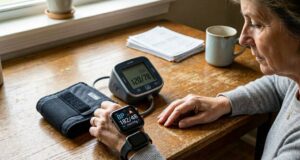
For example, a person might use an upper-arm monitor for regular reference measurements while using a blood pressure watch for convenient tracking.
If the two devices produce different results, do not immediately assume that one of them is broken. Measurement conditions, body position, timing and device technology can all affect the numbers.
Take measurements according to the instructions for each device and discuss persistent differences with a healthcare professional if necessary.
How to Get Better Home Readings
The way a person takes a measurement can have a major effect on the result.
Before measuring blood pressure, sit quietly for several minutes. Keep your back supported and place both feet comfortably on the floor. Avoid talking or moving during the measurement.
When using a traditional cuff, the arm should be supported at approximately heart level.
For a smartwatch, follow the manufacturer’s instructions about wrist position and how tightly the device should be worn.
Consistency is especially useful when monitoring trends. Taking measurements at approximately the same times and under similar conditions can make changes easier to understand.
Calibration of Blood Pressure Watches
Some watches require calibration before they can provide blood pressure estimates.
Calibration generally involves comparing the watch with a traditional blood pressure cuff. The watch’s software then uses the reference readings to adjust its measurements.
The exact process varies from one manufacturer to another. Some devices may require several readings, while others have different requirements.
Users should always follow the calibration instructions supplied with their particular watch. Incorrect calibration can reduce the usefulness of the readings.
It is also important not to assume that a watch remains perfectly calibrated forever. If the manufacturer recommends periodic recalibration, follow that schedule.
What Features Are Useful for Home Monitoring?
When choosing a blood pressure watch, look beyond the appearance of the device.
A clear display can make readings easier to understand. Good battery life is useful because frequent charging can interrupt monitoring.
A well-designed smartphone application can also be valuable. The ability to review previous measurements, organize health information and share relevant data with a healthcare provider can make long-term monitoring easier.
Comfort is another consideration. If the watch feels uncomfortable, users may stop wearing it regularly.
Some devices also offer heart-rate alerts, sleep tracking, activity monitoring and other health features. These extras can be useful, but they should not distract from the primary requirement: dependable blood pressure monitoring.
Who Can Benefit From Home Blood Pressure Monitoring?
Home monitoring can be useful for people who have been advised by their healthcare provider to keep track of their blood pressure.
It may also help people understand how their readings vary between different situations. For example, some individuals may notice differences between morning and evening measurements or between periods of activity and rest.
However, home monitoring should be part of a sensible health routine rather than a reason to constantly check numbers throughout the day.
Too much attention to individual readings can sometimes create unnecessary worry. Looking at patterns over time is generally more useful than reacting to every small change.
Are Blood Pressure Watches a Replacement for Cuff Monitors?
For most users, it is better to think of a blood pressure watch as a convenient wearable health tool rather than an automatic replacement for a validated upper-arm cuff monitor.
This is particularly important when blood pressure readings are being used to make medical decisions.
If a watch produces an unexpected reading, confirm it with an appropriate blood pressure monitor when possible. Repeatedly unusual readings should be discussed with a healthcare professional rather than diagnosed from smartwatch data alone.
A blood pressure watch for home monitoring can make health tracking more convenient. Its wearable design means users can keep health information close at hand without carrying a separate device throughout the day.
Still, convenience should not be confused with medical accuracy. The quality of blood pressure measurement varies between devices, and users should investigate how a particular watch works before relying on its readings.
For many people, the most sensible approach is to combine the convenience of blood pressure watches with a reliable upper-arm blood pressure monitor. Used correctly, wearable technology can help users track trends, maintain a regular monitoring routine and have more useful information available when discussing blood pressure with a healthcare professional.