The convenience of tracking blood pressure (BP) directly from your wrist has turned smartwatches into highly sought-after health devices. However, this convenience depends heavily on one critical, often misunderstood process: calibration.
Unlike a standard heart rate monitor that works straight out of the box, a blood pressure watch cannot measure arterial force on its own. It relies on advanced software algorithms that estimate your blood pressure based on light patterns passing through your skin. To keep these estimates accurate, the watch needs a benchmark to anchor itself. This baseline is established by calibrating the watch against a traditional upper-arm blood pressure cuff.
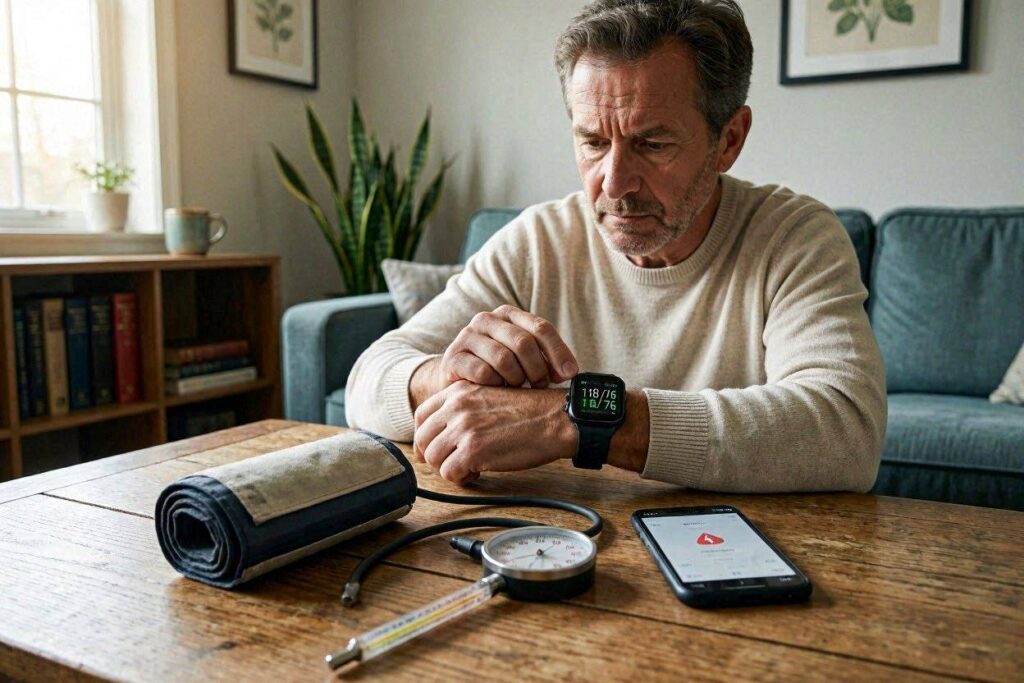
If you skip calibration or perform it incorrectly, your smartwatch stops acting as a health monitor and becomes an expensive guessing machine. This comprehensive guide outlines the exact setup procedure, addresses the new technical issues surfacing in 2026, and highlights the ongoing calibration challenges faced by users and clinicians.
1. Step-by-Step Manual Calibration Procedure
To minimize algorithmic reading errors, you must establish a clean baseline. Think of calibration as tuning a musical instrument—if the starting pitch is wrong, every note that follows will be out of tune.
Follow this protocol to calibrate your wearable device correctly:
[5-Min Quiet Rest] ──> [Take Cuff Reading] ──> [Take Watch Reading] ──> [Input Data Into App]
Phase A: Preparing Your Body
- Avoid Stimulants: Do not consume caffeine, alcohol, or nicotine for at least 30 to 45 minutes before calibrating. These substances alter arterial compliance (how elastic your blood vessels are) and will distort the watch’s baseline calculations.
- Rest Quietly: Sit in a comfortable chair with back support for five minutes before starting. Keep your feet flat on the floor and do not cross your legs.
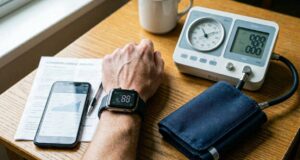
- Position Your Arm: Place your arm on a flat surface (like a table) so that both your upper arm and your smartwatch rest exactly at heart level.
Phase B: Executing the Synchronized Readings
- Secure the Cuff: Place a medically certified, automated upper-arm cuff on one arm. Ensure the cuff size matches your arm circumference.
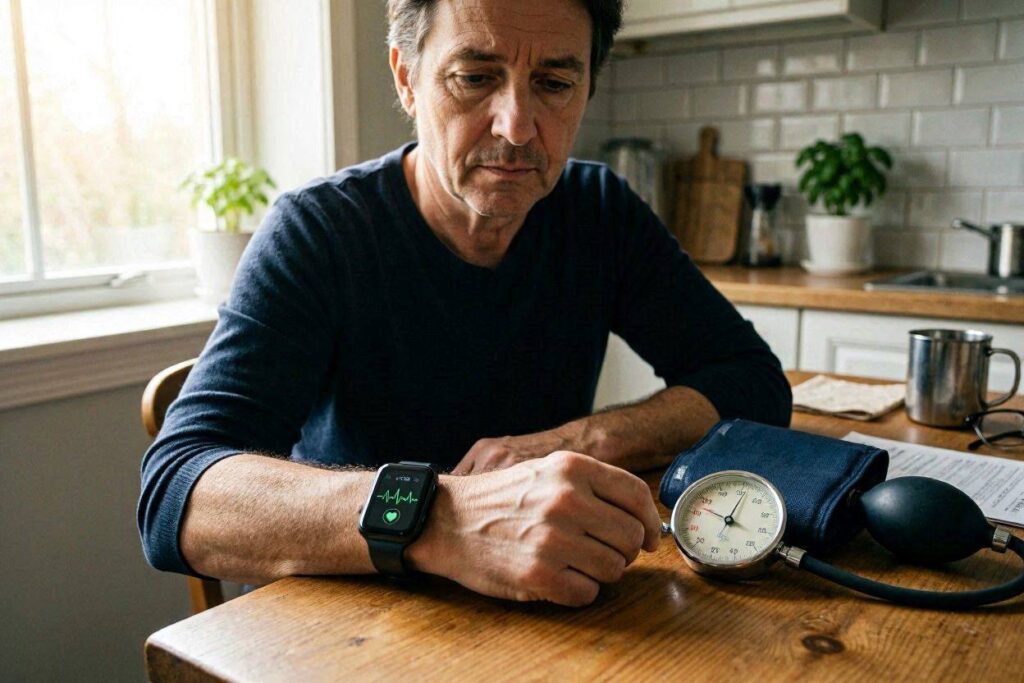
- Secure the Watch: Fasten your smartwatch snugly on the opposite wrist. It needs to be tighter than usual—firm enough that the optical sensor on the back maintains constant contact with your skin when you move your fingers, but not so tight that it restricts blood flow.
- Initiate the Cuff First: Start the upper-arm cuff monitor. Remain completely silent and do not move or talk during the inflation cycle.
- Trigger the Watch: As soon as the cuff finishes deflating and displays your numbers, immediately trigger the manual blood pressure application on your smartwatch. Keep your wrist perfectly still.
- Log the Values: Open the companion health app on your smartphone. Enter the exact systolic and diastolic numbers from the upper-arm cuff into the watch’s calibration menu.
Crucial Requirement: Most advanced health algorithms require you to repeat this entire process three consecutive times, using fresh cuff readings each time, to calculate a dependable mathematical average.
2. Emerging Calibration Issues Face-to-Face with Users
As wearable operating systems evolve, developers are uncovering new technical complications that disrupt the calibration process.
The Phenomenon of “Calibration Drift”
Your circulatory system is not static; it changes constantly based on stress, hydration, room temperature, and vascular aging. A smartwatch algorithm calibrated on a cool, hydrated morning may begin to experience calibration drift within a week if the user travels to a hot climate or experiences high workplace stress. Over time, the watch loses its alignment with your actual physiology, meaning it might report a healthy 120/80 mmHg even if your true blood pressure has risen to a dangerous level.
The Misleading Comfort of “Factory Default” Profiles
A major concern in the budget smartwatch market is the emergence of pseudo-calibration. Some generic manufacturers sell devices that claim to track blood pressure without requiring a cuff for initial setup.
These devices use pre-programmed demographic tables based on average age and weight statistics. They do not calculate your actual blood pressure; they simply display a safe, estimated number based on statistical averages. This can give hypertensive individuals a false sense of security, making it a dangerous trend in consumer health tech.
3. Persistent Engineering Challenges for Engineers
Developing a calibration system that remains stable over long periods presents significant hurdles for bio-wearable engineers.
Dynamic Vascular Compliance Changes
Smartwatches use optical sensors (Photoplethysmography or PPG) to measure pulse wave velocity—the speed at which blood travels down your arm. The algorithm translates this speed into a blood pressure estimate based on your calibration numbers.
However, if your arteries stiffen due to age, or if they constrict during a sudden cold snap, the pulse wave velocity changes independently of your blood pressure. Current consumer algorithms struggle to separate a change caused by true blood pressure shifts from a change caused by fluctuating blood vessel elasticity.
Arterial Stiffening / Cold Weather ──> Altered Pulse Wave Velocity ──> Algorithm Error (Even After Fresh Calibration)
Sensor Shift and Skin Disruption
During calibration, the watch’s optical array captures a very specific view of the blood vessels in your wrist. If the watch band stretches over time, or if you slide the device further up your arm, the sensor encounters a different arrangement of blood vessels. This slight physical shift can render your previous calibration data obsolete, causing subsequent readings to be highly inaccurate.
4. Current Clinical Standards vs. Consumer Expectations
Because calibration is a delicate process, the global medical community maintains a strict stance on how this data should be interpreted.
| Parameter | Medical-Grade Upper-Arm Cuff | Calibrated Consumer Smartwatch |
| Primary Utility | Diagnostic assessment & medication adjustments. | Identifying broad lifestyle trends; early warning tracking. |
| Calibration Frequency | Once every 1–2 years (Factory check). | Strictly required every 21 to 30 days. |
| Error Tolerance Margins | Less than ±5 mmHg (Clinical standard). | Highly variable; often exceeds ±10 mmHg if drift occurs. |
| Regulatory Status | FDA Cleared / CE Medical Marked. | Often cleared only for “general wellness and tracking.” |
Medical professionals warn against using smartwatch data to modify prescription medication dosages. If your calibrated watch indicates an unusual trend, always verify those numbers with an upper-arm cuff before contacting your doctor.
5. Checklist for Long-Term Accuracy
To ensure your smartwatch blood pressure feature remains as reliable as possible, implement this technical maintenance routine:
- Recalibrate Every 28 Days: Do not wait for your smartphone app to prompt you. Set a recurring monthly calendar reminder to perform a full, three-cycle calibration.
- Clean the Optical Lens: Sweat, dead skin cells, and lotion residue build up on the glass backing of your watch. Wipe the sensor array with a lint-free microfiber cloth before every calibration to prevent light distortion.
- Update the Device Firmware: Manufacturers frequently adjust their pulse wave algorithms to improve tracking accuracy. Keep both your smartwatch firmware and its smartphone companion app updated to the latest versions.
- Account for Weight and Lifestyle Shifts: If you experience a significant weight change, start a new exercise regimen, or change your cardiovascular medications, perform a fresh calibration immediately. These lifestyle changes alter your baseline vascular dynamics, making old calibration data inaccurate.